136 East 57th Street Suite 1501
New York, NY 10022
Rotator Cuff Surgery | New York City
The rotator cuff is a group of muscles and tendons that form a cuff over the ball (humerus) of the shoulder joint. These muscles and tendons hold the arm in its “ball and socket” joint and help the shoulder to rotate. The tendons can be torn from overuse or injury. The most common symptom of a rotator cuff problem is pain, usually over the top of the shoulder, but the pain can radiate down the arm all the way to the elbow. It is very important to consult with an orthopedic specialists because rotator cuff surgery may be needed when this type of pain is felt. Patients often have pain if they roll onto the shoulder at night. Another symptom of a rotator cuff tear is weakness of the shoulder, causing difficulty in lifting the arm up overhead, to the side or raising the wrist and forearm away from the body. There is often difficulty with activities such as reaching, getting dressed, or carrying objects. History and physical examination are usually enough to suspect a rotator cuff tear, and an MRI scan is often done to confirm the size and location of the tear if surgery is necessary.
What is a rotator cuff tear?


Treatment of a Torn Rotator Cuff
Most rotator cuff tears can be treated without surgery. In fact, it is the minority of patients who end up undergoing surgical treatment for a rotator cuff tear. Dr. Noy has a special program he has dubbed the No Pain Principle Program for shoulder rehabilitation that is often successful and avoids surgery. Non-operative rotator cuff treatments may include a home exercise program, physical therapy, anti-inflammatory pain medications, and cortisone injections. The goal of treatment is to reduce inflammation and pain, and strengthen the muscles around the shoulder to compensate for the torn muscles.
Rotator Cuff Surgery is done when:
- A full thickness tear is caused by a sudden injury. In these cases, it is best to do surgery soon after the injury, as delaying treatment can cause atrophy of the muscle, retraction of the tendon with subsequent difficulty getting it back to the bone, and even arthritis from the shoulder not being properly located in the socket.
- A complete rotator cuff tear causes severe shoulder weakness.
- The pain has failed to improve with 3 to 6 months of conservative nonsurgical treatments.
- Full shoulder strength and function is necessary for your job or activities.

Rotator Cuff Surgery Videos


Rotator Cuff Surgery Usually Involves:
- Removing loose fragments of tendon, bursa, and other debris from the space in the shoulder where the rotator cuff moves.
- Making more room for the rotator cuff tendon so it is not pinched or irritated. If necessary, this includes shaving bone or removing bone spurs from the point of the shoulder blade.
- Sewing the torn edges of the supra-spinatus tendon together and to the top of the upper arm bone.

Dr. Noy does all rotator cuff surgery arthroscopically, meaning using a small camera and specialized equipment through small incisions. The first step is to look at the tear and determine the type of tear and plan the best repair strategy. It is very rare that Dr. Noy cannot repair the tendon, even in massive tears. Inflamed or damaged tissue is removed as are any bone spurs that are contributing to the pain and tearing. The goal is to attach the tendon back to the bone with a wide footprint and solid fixation. The body then heals the tendon to the bone over the next several weeks. Dr. Noy uses special knotless devices that allow this to happen more reliably, and allow earlier passive range of motion with the therapist to avoid frozen shoulders. As with all his arthroscopic surgeries, the actual pictures are attached to your discharge instructions when you leave the surgery center so you can instantly see your repair.
Recovery from Rotator Cuff Surgery
While all surgeries continue to improve for up to a year, the recovery is broken down to a few sections. Since Dr. Noy does what is called a tensionless repair, waist level activities such as typing on a computer and eating are allowed immediately allowing those with desk jobs to return to work after in 2 days. Passive range of motion is started initially with a therapist followed by active range of motion exercises around 4-6 weeks after surgery. Strengthening is then done and most patients are back to full daily activities and even golf by 3 months. Throwing a baseball is delayed a while longer, as this has the highest stresses on the repair. The sling is worn for sleeping and walking around for 4-6 weeks after surgery, but is not needed when sitting at a desk. Dr. Noy has a specialized post-operative program that manages pain so well that most patients do not use any narcotics. It is important to have a top notch physical therapist to help you recover after surgery, and Dr. Noy will help you obtain one if necessary.Click edit button to change this text.
Book Appointment
Let Prestige Orthopaedics & Sports Medicine bring you back to full strength.
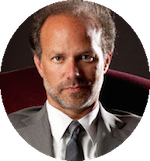
Meet Our Founder Dr. Ron Noy
The founding mission of Prestige Orthopaedics & Sports Medicine is to provide safer, more effective and quicker recoveries with less pain and unrivaled service
Patient Testimonials
Read why patients think Prestige Orthopaedics & Sports Medicine is the leading New York City Orthopaedics Specialist. Filter through reviews from all online sources.
Symptom Checker
Learn about your injury and the potential conditions or procedures.